2026-10-22 · Marco Ruiz
Placing a Dumpster on San Francisco Hills Without Blocking Traffic
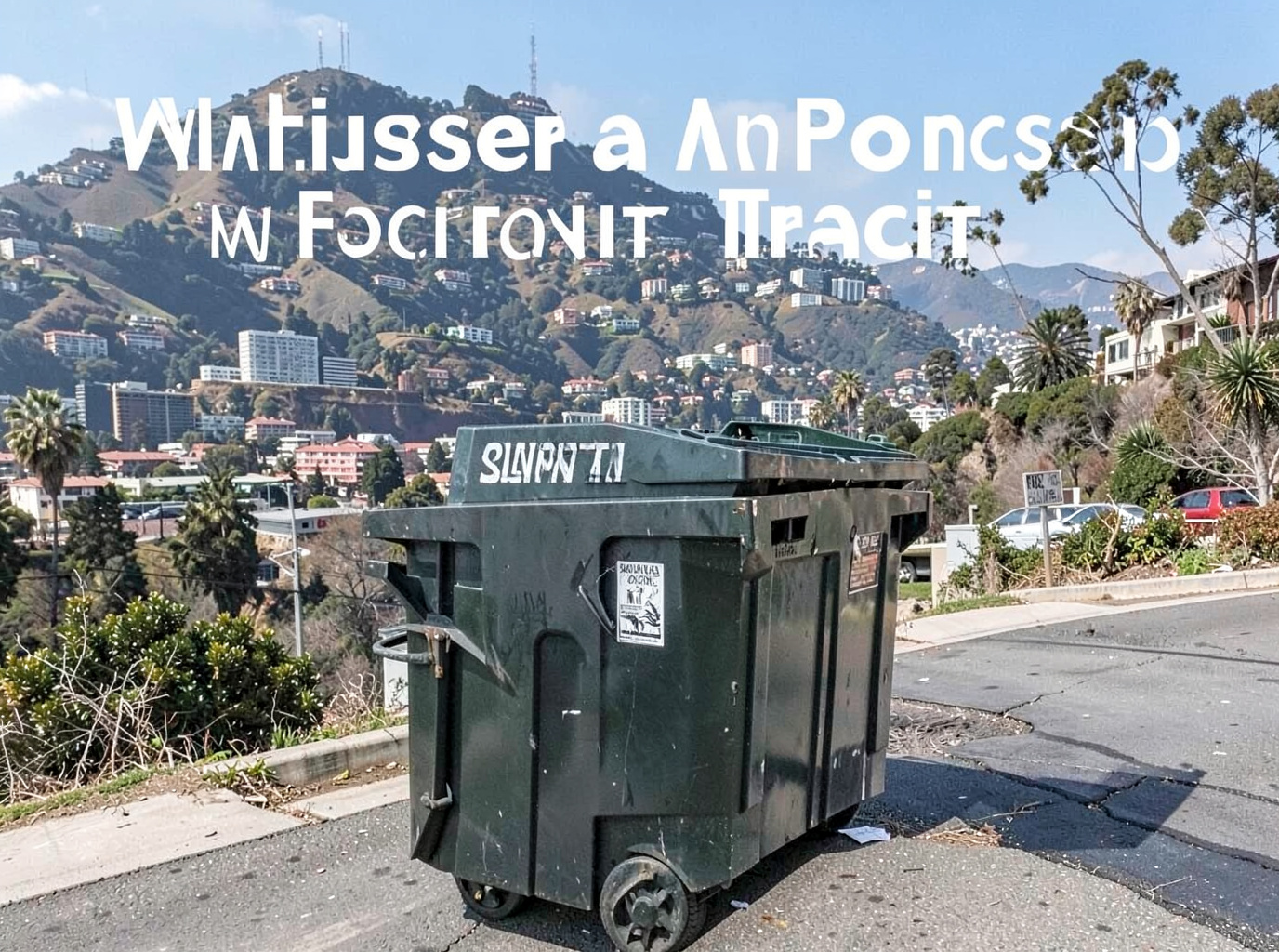
Positioning a dumpster rental on San Francisco hills starts with securing a sidewalk occupancy permit from the Department of Public Works and placing the unit fully on the uphill shoulder so it does not extend into traffic lanes. Streets in Russian Hill and Nob Hill often exceed 15% grades, so crews anchor units with wheel chocks and check that the container sits level before loading begins.
Navigating Permit Requirements on Hillside Streets
San Francisco requires a permit whenever a dumpster rental occupies any portion of the public right-of-way, even for short durations. Applications must include a site diagram showing the exact placement relative to curb lines and intersections. In Pacific Heights and the Marina District, inspectors verify that the unit leaves at least 10 feet of clear roadway width. Residents planning work near the Castro or Haight-Ashbury should submit paperwork at least five business days ahead because processing times increase during wet winter months when soil saturation raises slippage risks. Full details appear in the guide How to Get a Dumpster Permit in San Francisco.
Accounting for Terrain and Housing Stock
Victorian-era homes in North Beach and the Sunset District sit on narrow lots with limited flat aprons, forcing many residential dumpster rental placements onto sloped driveways or adjacent curb space. Crews measure the slope first; containers on grades steeper than 8% need additional blocking under the downhill wheels. Older brick alleys common around Chinatown and the Financial District can crack under concentrated weight, so operators lay plywood or steel plates before positioning. These steps keep the unit stable while preserving access for cable cars and delivery trucks on adjacent routes.
Managing Weather and Seasonal Conditions
The region's mild Mediterranean climate brings wet winters that turn steep pavement slick, increasing the chance a loaded container could shift toward traffic. During December through February, operators add rubber mats and inspect drainage around the unit twice daily. Cool summers reduce expansion issues but fog in the Richmond District can limit visibility, requiring reflective cones placed 20 feet uphill and downhill. These precautions apply equally to jobs near Golden Gate Park or Lombard Street where tourist traffic remains steady year-round.
Practical Placement Steps for Traffic Safety
- Park the delivery truck uphill of the target spot to control rollback.
- Confirm the container footprint stays within the permitted zone and leaves full lane clearance.
- Install wheel chocks rated for the container's empty weight before any material is added.
- Schedule delivery during off-peak hours, typically before 9 a.m. on weekdays, to minimize disruption near the Transamerica Pyramid or Coit Tower.
- Inspect the setup at the end of each day and after rain events.
Weight distribution matters on hills. Overloading the downhill end can lift the opposite wheels; the article Dumpster Rental Weight Limits and Overage Fees in San Francisco explains how to stay within safe limits for sloped sites.
Coordinating with Nearby Cities and Access Routes
Projects that generate overflow material sometimes route loads to transfer stations accessible via routes through Oakland or Daly City. Drivers familiar with the Bay Bridge corridor plan extra time because morning rush traffic from Berkeley can back up onto city streets. Keeping the residential dumpster rental footprint compact reduces the need for multiple hauls and keeps local traffic moving in the Mission District where Valencia Street already carries heavy bus and bike traffic.